A long drive changes your routine in small ways that add up. Breakfast happens in a parking lot, coffee refills come every couple of hours, and the bathroom sink you normally brush at is replaced by a gas station restroom. None of that has to hurt your smile. With a little planning, your teeth can come through a multi-day road trip in the same shape they started.
This guide covers the whole journey: what to do before you leave, how to brush and floss when you are living out of a car, which snacks and drinks are easiest on your teeth, and what to do if a tooth cracks or a filling falls out somewhere you have never been. It is written for drivers, passengers and anyone who has ever eaten a gas station burrito at 11 p.m. and wondered about the consequences.
Why Teeth Need a Plan Before the Car Is Packed
Most people pack for the car first and the body second. Phone chargers, playlists and spare tires get attention, while the toothbrush gets tossed in at the last minute. Road trips deserve a little more thought than that, because the habits that protect your teeth at home (regular brushing, limited snacking, plenty of water) are the first things to slip when you are chasing a destination.
The good news is that protecting your teeth on the road comes down to a handful of simple choices. You need a few tools within reach, a plan for brushing twice a day, snacks that do not cling to your enamel, and a rough idea of what to do if something goes wrong. Everything below builds on those four ideas.
Schedule a Check-Up Before You Leave
The easiest way to avoid a dental problem on the highway is to catch it at home. A tooth with a small cavity, an old filling with a rough edge or a crown that feels slightly loose can behave for months and then act up at the worst possible time. A visit to a trusted Dental Care Provider In Jacksonville, FL or to your own local dentist a few weeks before a big trip gives you a chance to have those small things looked at while you still have an easy way to follow up.
If you have had a toothache that comes and goes, a filling that feels high when you bite or a tooth that is sensitive to cold, mention it at that visit. Those small signals are exactly the ones that turn into trouble after eight hours of driving. Ask your dentist whether anything needs attention before the trip, and ask for a quick cleaning if you are due, since a fresh start makes the rest of the journey easier to manage.
Build a Small Dental Kit for the Glove Box
A dental kit takes up about as much room as a sandwich and can save you a lot of discomfort. Keep it in the glove box or the door pocket instead of the trunk, so you can reach it without unloading anything. A sensible kit includes:
- A soft-bristled toothbrush in a ventilated cover or case
- A travel-size tube of fluoride toothpaste
- Floss or floss picks, plus interdental brushes if you use them
- A small bottle of alcohol-free mouthwash
- Sugar-free gum
- A refillable water bottle
- Your dentist’s phone number and your insurance information saved in your phone
Add a small container with a lid, because it can hold a tooth, a crown or a piece of a filling if one comes loose. A pair of clean gauze squares and a few single-use gloves are also handy for the emergency situations covered later in this article.
How to Brush When There Is No Bathroom Sink
Brushing twice a day still matters on a trip, and it is easier than it sounds. The best times are the same as at home: after breakfast and before bed. If you are staying in hotels, that is simple. If you are camping or sleeping in the car, a bottle of water and a spare cup do the job. Wet the brush, use a pea-sized amount of toothpaste, brush for about two minutes, spit, and rinse your mouth with a little water.
On long driving days, a midday rinse is a good bonus. When you stop for lunch, swish water around your mouth for a few seconds after eating to wash away leftover food and sugar. If you cannot brush right away, that small step still helps. Wait a little while before brushing after something acidic like orange juice or soda, since enamel is temporarily softer right after acid exposure and a gentler rinse is the safer move in that moment.
Flossing Without Making a Mess
Flossing is the habit most likely to disappear on a trip, partly because it feels awkward in a moving car. Save it for stops and for the evening. Floss picks are the easiest option for travel since you can use them with one hand and toss them afterward. Do it in a restroom or at the campsite, not while someone else is driving, and keep a small bag for used picks.
If you fly through a meal of jerky, popcorn or seeds, a little floss afterward can take care of what a water rinse leaves behind. Food trapped between teeth is a common reason for gum irritation and a very common reason for road trip toothaches. A quick pass with floss is a lot more pleasant than dealing with a sore spot at mile 400.
Snacks That Treat Your Teeth Kindly
Road trip snacks tend to be sticky, sweet or crunchy enough to cause trouble. The goal is to choose foods that do not linger on your teeth and do not ask them to do anything risky. Good options include:
- Cheese cubes or string cheese
- Raw vegetables such as baby carrots, celery and cucumber slices
- Apple slices, which are crisp and have plenty of water in them
- Plain nuts that are already shelled
- Plain yogurt in a cooler
- Hard-boiled eggs
These foods are easy to eat one-handed, do not leave sugary residue behind and do not stick to the grooves of your molars. They also keep you full longer than a bag of chips, which means fewer snack stops and fewer opportunities for sugar to sit on your teeth.
Snacks to Eat Sparingly
Gummy candy, caramel, dried fruit and taffy are the classic offenders. They stick to teeth and pull at fillings and crowns, and they give bacteria a slow supply of sugar to work with. Hard candy has a similar problem because you keep it in your mouth for a long time, and biting down on it is one of the more common ways people chip a tooth.
The same goes for ice. Chewing the ice from a fountain drink feels harmless and is a common cause of cracks and chips. Unpopped popcorn kernels, hard pretzels and bones in jerky can do the same. If you love these snacks, have them with a meal instead of grazing on them for hours, and rinse with water afterward.
Coffee, Soda and Energy Drinks Behind the Wheel
Drivers rely on caffeine, and that is fine. What matters is how you drink it. Sipping a sugary latte for three hours means your teeth get bathed in sugar and acid for three hours. Finishing a drink in one sitting, and following it with water, keeps the exposure much shorter. The same advice applies to soda, sweet tea and energy drinks, which tend to be both sugary and acidic.
If you can, drink water between caffeine stops, and use a straw for cold or sweet drinks so they pass the front teeth more quickly. Black coffee and tea have less sugar, but they are among the usual causes of surface stains, which brings us to the next topic.
Dealing With Coffee and Tea Stains on a Long Trip
Coffee, tea, red wine and dark sodas leave pigment on enamel, and a week of road trip habits can make that pigment more noticeable. Dental stains can come from certain foods and drinks, and they build up gradually over a lifetime. Drinking water after dark beverages, brushing at the end of the day and avoiding long sipping sessions all help limit new staining while you are on the road.
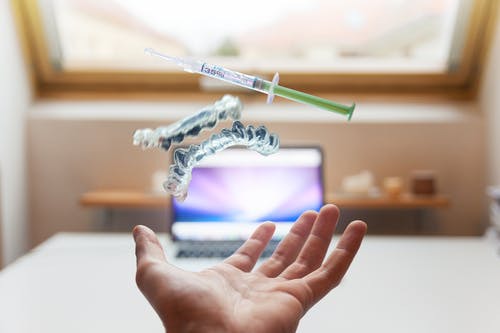
If you come home from a trip and your smile looks duller than before, or if photos from the journey made you notice stains you had not paid attention to, professional teeth whitening is a straightforward way to brighten things up. Dentists can offer in-office whitening that takes under an hour, as well as custom take-home trays. Pharmacy products tend to use lower concentrations of whitening agents, so many people find a dentist-supervised option gives them the result they were hoping for. It is worth timing a whitening session for after the trip rather than before, so that your freshly brightened teeth are not immediately exposed to a week of road coffee.
Water and Sugar-Free Gum: Your Best Travel Allies
Water is the simplest tool in your kit. It rinses your mouth, helps with dry mouth from the car’s air conditioning and keeps you hydrated for the drive. Keep a bottle in the cup holder and take a few sips after every snack or sweet drink. If you are in an area where the tap water is a concern, use bottled water for brushing as well.
Sugar-free gum works well when you cannot brush. Chewing gum encourages saliva, and saliva helps wash away food particles and neutralize acids in your mouth. Look for gum sweetened with xylitol or another sugar substitute, and skip any gum that lists sugar as the first ingredient. Chew it for ten to twenty minutes after a meal, then throw it away. Gum is a supplement to brushing, so think of it as the bridge between brushing sessions, not a replacement for them.
Sensitive Teeth and Cold Drinks on the Road
Road trips often bring cold drinks, ice cream stops and changes in climate. If your teeth are sensitive to hot and cold, that combination can make a trip uncomfortable. Sensitivity can be a sign of enamel wear or receding gums, and it is worth mentioning to your dentist at your pre-trip visit. A toothpaste made for sensitive teeth is a useful addition to your travel kit.
On the road, try drinking cold beverages through a straw, letting very cold food warm slightly before eating it and avoiding brushing too hard. A soft brush and gentle pressure protect your gums and enamel. If sharp, lingering pain shows up suddenly instead of the usual mild twinge, treat it as a possible dental problem rather than something to ignore, and read on to the emergency section.
Jaw Tension From Long Drives
Many people clench their jaws without realizing it, and a long drive through heavy traffic, bad weather or a late night is the perfect setting for it. You may arrive at your destination with a sore jaw, a headache or teeth that feel tender when you bite. Persistent jaw pain, clicking and tightness can be signs of a jaw joint issue, and a dentist can recommend options such as a mouthguard if clenching is a regular problem.
For the drive itself, take a moment at each stop to relax your face. Let your teeth rest slightly apart, with your lips closed and your tongue resting gently on the roof of your mouth. Stretch your neck and shoulders, which often hold the tension that spreads to your jaw. If you notice you are clenching, a short break and a few deep breaths can help.
Keeping Kids’ Teeth on Track While Traveling
Children are even more likely to see their routines fall apart on a trip. Pack their own brush and toothpaste, and let them choose a travel case they like. Keep the brushing time consistent, even if it takes place in a rest stop sink, and offer water rather than juice in the back seat.
Snack boxes are the other big lever. Pre-portion cheese, fruit slices and crackers instead of handing over a whole bag of sweets, and save the treats for mealtimes. If a child has a loose baby tooth that comes out on the road, rinse the mouth gently with water, apply a clean gauze pad to any bleeding and keep the tooth if the child wants it. A lost baby tooth is usually routine, but a tooth knocked out by an injury is a different situation, so ask a dentist if you are unsure.
What to Do If You Chip or Crack a Tooth on the Road
Chips happen when you bite something hard, like a popcorn kernel, an ice cube or a piece of hard candy. Cracks can come from biting or from an accident, and they may be hard to see. Warning signs include pain when chewing, sudden sensitivity to temperature or a sharp edge you can feel with your tongue.
Rinse your mouth gently with warm water, save any pieces you can find and avoid chewing on that side. If the edge is cutting your tongue or cheek, dental wax or a piece of sugar-free gum can cover it temporarily. Over-the-counter pain relievers can help as directed on the label. Minor chips can be smoothed or repaired with bonding, while larger ones may need a veneer, and a crack may call for a crown or a root canal depending on how deep it goes. Because a crack can worsen with time, get it looked at soon rather than waiting until you are home.
What to Do If a Tooth Is Knocked Out
A knocked-out tooth is a true emergency, and speed matters. Pick the tooth up by the crown (the part you chew with) and avoid touching the root. If it is clean and intact, you can try to place it gently back in the socket and hold it there. If that is not possible, keep it moist in milk or in your own saliva, and get to a dentist right away. Dentists work to reimplant a knocked-out tooth within about 30 minutes of the injury when they can, so call on your way instead of waiting.
Do not scrub the tooth or wrap it in tissue, since both can damage the delicate tissue on the root. If you cannot reinsert it, a small container with milk is the best travel option, which is one more reason to keep a lidded container in your dental kit. When reimplanting is not possible, your dentist can talk through replacement options such as implants or bridges.
Lost Fillings, Lost Crowns and Other Common Mishaps
A lost filling or crown can happen suddenly, often while chewing something sticky. You may notice a rough spot, a gap or a new sensitivity. The exposed tooth is vulnerable to further damage and decay, so it is worth getting seen quickly.
If a crown comes off, keep it safe and clean. Dental cement from a drugstore can temporarily hold it in place for a short period, but it is not a permanent fix. Do not use household glue. For a missing filling, a dab of temporary filling material from a pharmacy can protect the area until you see a dentist. Food stuck between teeth is another frequent road trip nuisance, and the right approach is gentle: use floss or an interdental brush, and avoid using toothpicks or sharp objects that might injure your gums.
Finding Urgent Dental Care in an Unfamiliar Town
Before you leave, save your own dentist’s phone number in your phone. Many offices will talk you through a problem by phone and can give you advice about managing discomfort until you reach care. When you are traveling far from home, search for an emergency dentist in the area you are in, check the hours and call ahead so they know you are coming.
It helps to understand what counts as an emergency. Severe pain, bleeding that will not stop, swelling in the face or jaw, a knocked-out tooth, a cracked tooth and a lost crown with pain all deserve prompt attention. If you are in or near northeast Florida, practices that focus on emergency dentistry can see patients for urgent problems like toothaches, cracked teeth and broken restorations. If you have swelling that affects your breathing or swallowing, or you have injuries to your face and head, go to a hospital emergency room right away.
A Simple Road Trip Dental Checklist
Before you go, run through this short list and your teeth will be in good shape for the miles ahead:
- See your dentist for a check-up and ask about any teeth that need attention
- Pack a toothbrush, fluoride toothpaste, floss and mouthwash within easy reach
- Carry a lidded container for a lost tooth or crown
- Stock the cooler with cheese, vegetables, fruit and yogurt
- Keep water in the cup holder and sugar-free gum in the console
- Save your dentist’s number and insurance details in your phone
On the road, brush morning and night, rinse after snacks, limit sipping on sweet drinks and skip the ice chewing. If you do need help, call early. Most dental problems are easier to treat the sooner they are seen.
Reset Your Routine When You Get Home
When the trip is over and the car is unpacked, take a day to return to your normal habits. Brush thoroughly, floss carefully and drink plenty of water. If your gums feel tender after a stretch of irregular flossing, they will usually settle down after a few days of consistent care. If they bleed or stay sore, mention it to your dentist.
Book a cleaning if you are due, and use that visit to ask about anything you noticed on the road, whether that was sensitivity, a rough edge or a few extra stains. A road trip is meant to be remembered for the scenery, the playlists and the strange roadside attractions. With a small kit, a few smart snack choices and a plan for the unexpected, your teeth can be one less thing to worry about from the first mile to the last.